
IG Strengthens Strategic Partnerships With Development Partners To Address Gender-Related Corruption
Nov. 6, 2026
The Inspectorate of Government (IG) has reinforced its strategic partnerships with international development partners in efforts to address gender-related corruption in Uganda, following a two-day workshop that brought together more than 15 stakeholders to examine the impact of corruption on women, girls and other vulnerable groups.
The workshop, held on 4 November 2026 at Onomo Hotel in Kampala, was hosted by the Inspectorate of Government with support from the Embassy of Denmark in Uganda, in collaboration with the Embassy of Sweden, the United Kingdom Foreign, Commonwealth and Development Office (FCDO), and the U4 Anti-Corruption Resource Centre.
The engagement provided a platform for stakeholders to examine the relationship between gender and corruption, particularly in the health and education sectors, and explore practical approaches to strengthening institutional responses.
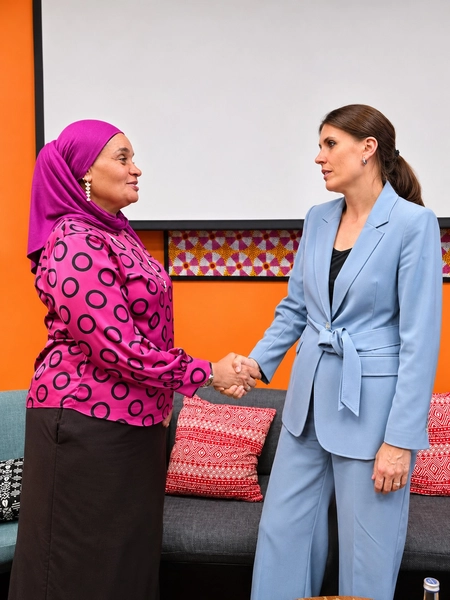
The British Deputy High Commissioner to Uganda, Ms Tiffany Kirlew, attended the workshop and encouraged participants to openly share their experiences and insights to enrich the discussions. She expressed optimism that the recommendations arising from the engagement would contribute to meaningful change in addressing gender-related corruption in Uganda.
Officially opening the workshop, the Inspector General of Government (IGG), Lady Justice Naluzze Aisha Batala, called for stronger institutional interventions to address gender-related corruption, particularly in the health and education sectors.
The IGG observed that women, girls and other vulnerable groups often bear a disproportionate burden of corrupt practices, including sexual corruption, which undermines their dignity, rights and access to essential public services.
She emphasised the need for institutions to strengthen their systems for identifying, receiving and responding to complaints involving gender-related corruption, while ensuring that victims and witnesses can report such practices without fear of stigma or retaliation.
Key recommendations for the Inspectorate of Government
The workshop identified several areas for further institutional action, including:
Incorporating sexual corruption as an indicator in the Fifth National Integrity Survey (NIS V).
Developing Information, Education and Communication (IEC) materials to raise public awareness about sexual corruption.
Disaggregating data on sexual corruption by gender in reports submitted to Parliament.
Strengthening public sensitisation through engagements with young people and community Barazas.
Conducting radio and television talk shows to stimulate public discussion and encourage reporting.
Reactivating Gender Help Mechanisms (GHMs).
Strengthening whistleblower protection mechanisms.
Collaborating with the Directorate for Ethics and Integrity to pursue legal reforms that explicitly recognise and address sexual corruption.
The workshop underscores the importance of strategic partnerships in strengthening institutional capacity, promoting accountability and addressing emerging forms of corruption.
The Inspectorate of Government remains committed to working with development partners, government institutions and other stakeholders to advance integrity, transparency and accountability in Uganda.